Slip, Trip or Fall Injuries & Legal Rights:
Introduction to Slip, Trip and Fall Injuries
Slip, trip and fall accidents are a common occurrence that can happen anywhere. These types of accidents can cause serious injuries ranging from minor cuts and bruises to broken bones, concussions, and even death in some cases. According to the Centers for Disease Control and Prevention (CDC), falls are one of the leading causes of injury-related emergency room visits, hospitalizations, and deaths among older adults. However, slip, trip and fall accidents can also occur at any age and can be just as dangerous.
Common Causes of Slip, Trip and Fall Accidents
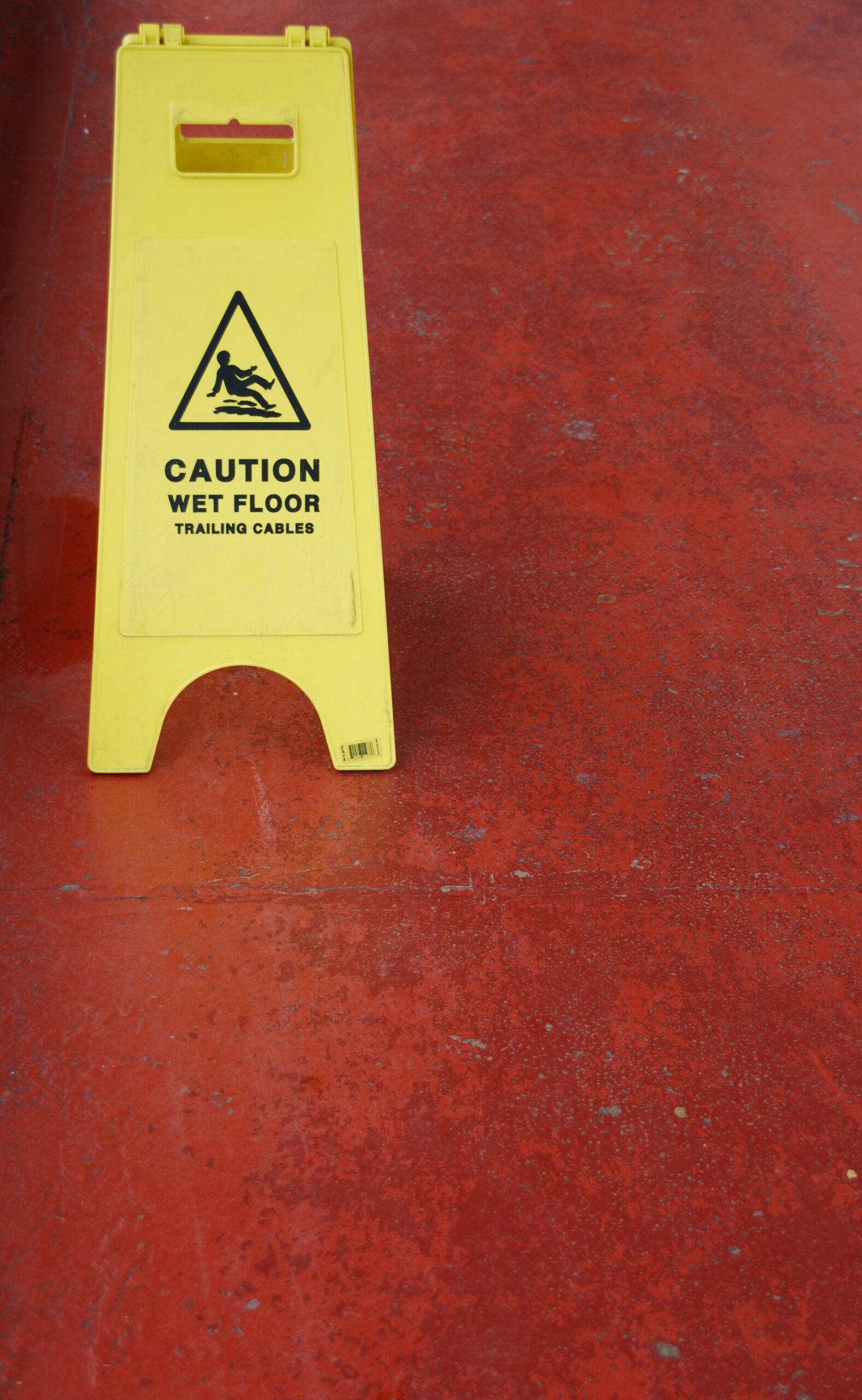
There are many reasons why someone may slip, trip or fall. Some common causes include wet floors, uneven surfaces, loose carpets or rugs, poor lighting, cluttered walkways, and slippery substances such as oil or grease. Additionally, certain medical conditions like arthritis or vertigo can increase the risk of falling. Regardless of the cause, if you have been injured in a slip, trip or fall accident, it’s important to understand your legal rights.
The Severity of Slip, Trip and Fall Injuries
The severity of slip, trip and fall injuries can vary depending on several factors including the height of the fall, the surface landed on, and the individual’s physical condition prior to the accident. Common injuries associated with these types of accidents include fractures, sprains, strains, lacerations, contusions, and head trauma. In some cases, victims may experience long-term health problems or disabilities as a result of their injuries.
Understanding Your Legal Rights After a Slip, Trip or Fall Accident
If you have been injured in a slip, trip or fall accident, it’s essential to understand your legal rights. Depending on the circumstances surrounding the accident, you may be entitled to compensation for your medical expenses, lost wages, pain and suffering, and other damages. Generally speaking, property owners have a duty to maintain safe premises and warn visitors of potential hazards. If they fail to do so and an injury occurs, they may be held liable for negligence. It’s best to consult with an experienced personal injury attorney who can advise you on your specific case.
How to Prevent Slip, Trip and Fall Accidents
While it’s not always possible to prevent slip, trip and fall accidents, there are steps you can take to reduce your risk. For example, make sure to wear appropriate shoes with good traction, especially when walking on wet or slippery surfaces. Keep walkways clear of tripping hazards like boxes or debris. Use non-skid mats in bathrooms and showers, and keep stairs well-lit and free of obstructions. Finally, stay aware of your surroundings and be cautious when moving around unfamiliar environments.
Conclusion
In conclusion, slip, trip and fall accidents can be dangerous and sometimes life-altering events. Understanding your legal rights after an accident is crucial, and taking steps to prevent future accidents is equally important. By following simple safety precautions and being mindful of your environment, you can help minimize your risk of injury.